HP Introduces a New Generation of Intelligent Websites
HP has introduced an AI-powered website experience that adapts to users' needs in real time. Could this signal a new direction for web development?
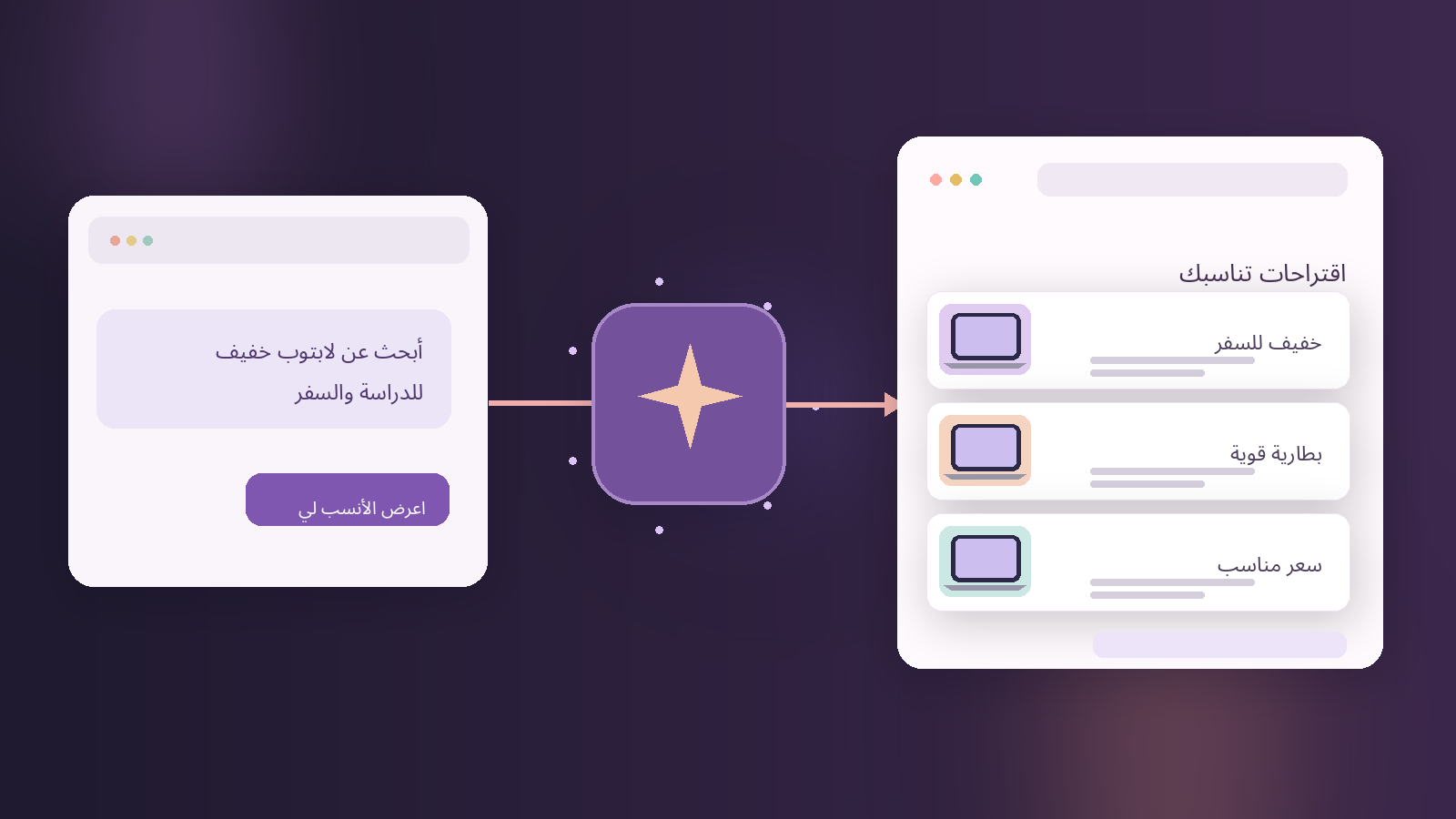
For years, most websites have followed a familiar structure.
Visitors arrive on a homepage, explore navigation menus, browse categories, and search for the information or products they need.
But what if a website could understand what someone wants and adapt the information displayed on screen accordingly?
That is the direction HP is exploring with its new HP Experience AI platform.
On October 8, 2026, HP announced a limited beta experience that uses agentic artificial intelligence to rethink how customers interact with its website.
What Is HP Experience AI?
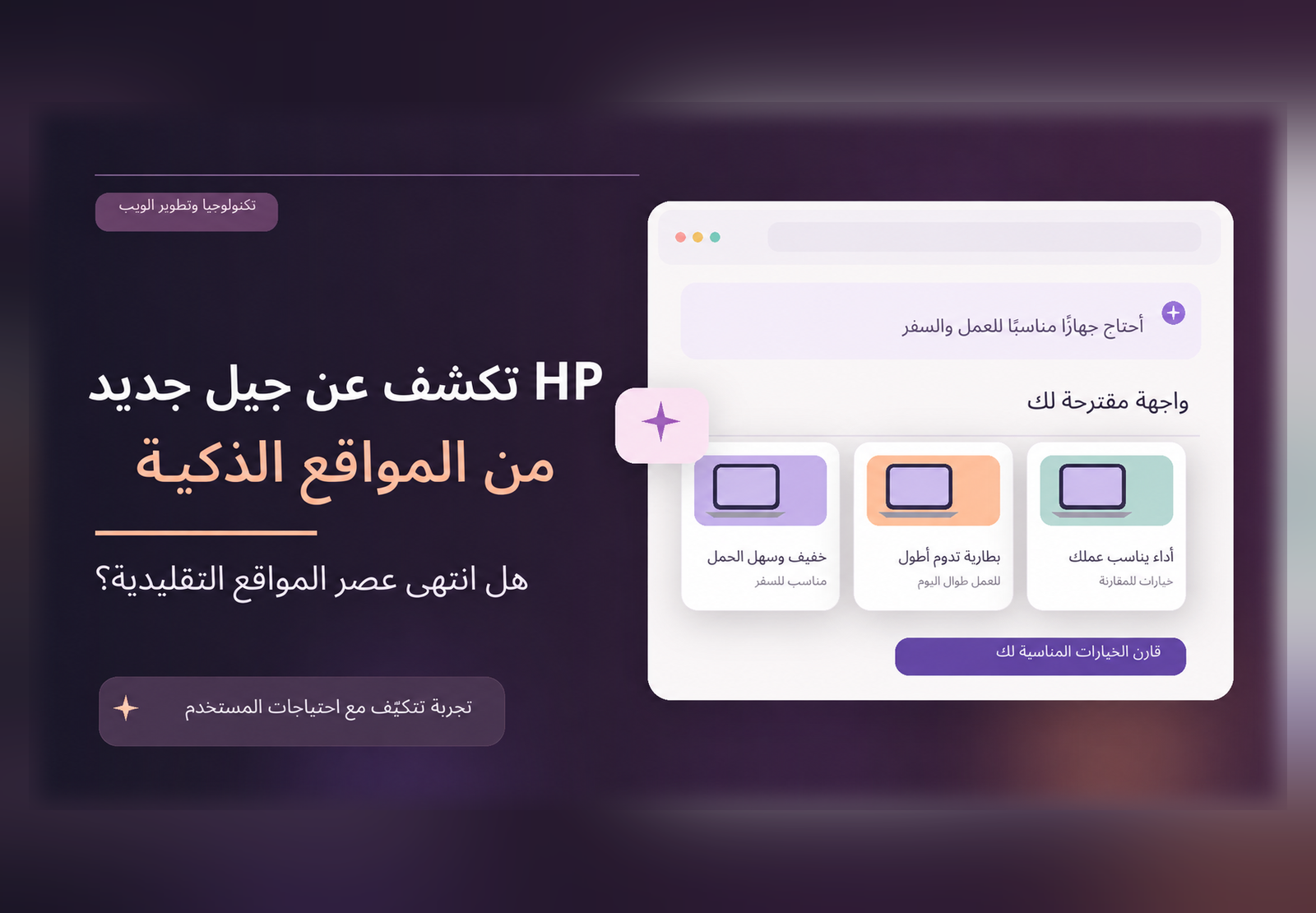
HP Experience AI is an AI-powered web experience designed to respond to users' needs through natural conversation.
Instead of relying exclusively on traditional navigation, search results, or a separate chatbot, the platform allows users to describe their requirements by speaking or typing.
The website can then adapt the information and product options displayed on the screen.
For example, a customer might explain that they need a laptop for frequent business travel.
Rather than simply presenting a long list of devices, the platform can highlight relevant products, compare specifications, ask follow-up questions, and refine the experience as the conversation continues.
The result is a more adaptive approach to digital interaction.
How Is This Different From a Traditional Website?
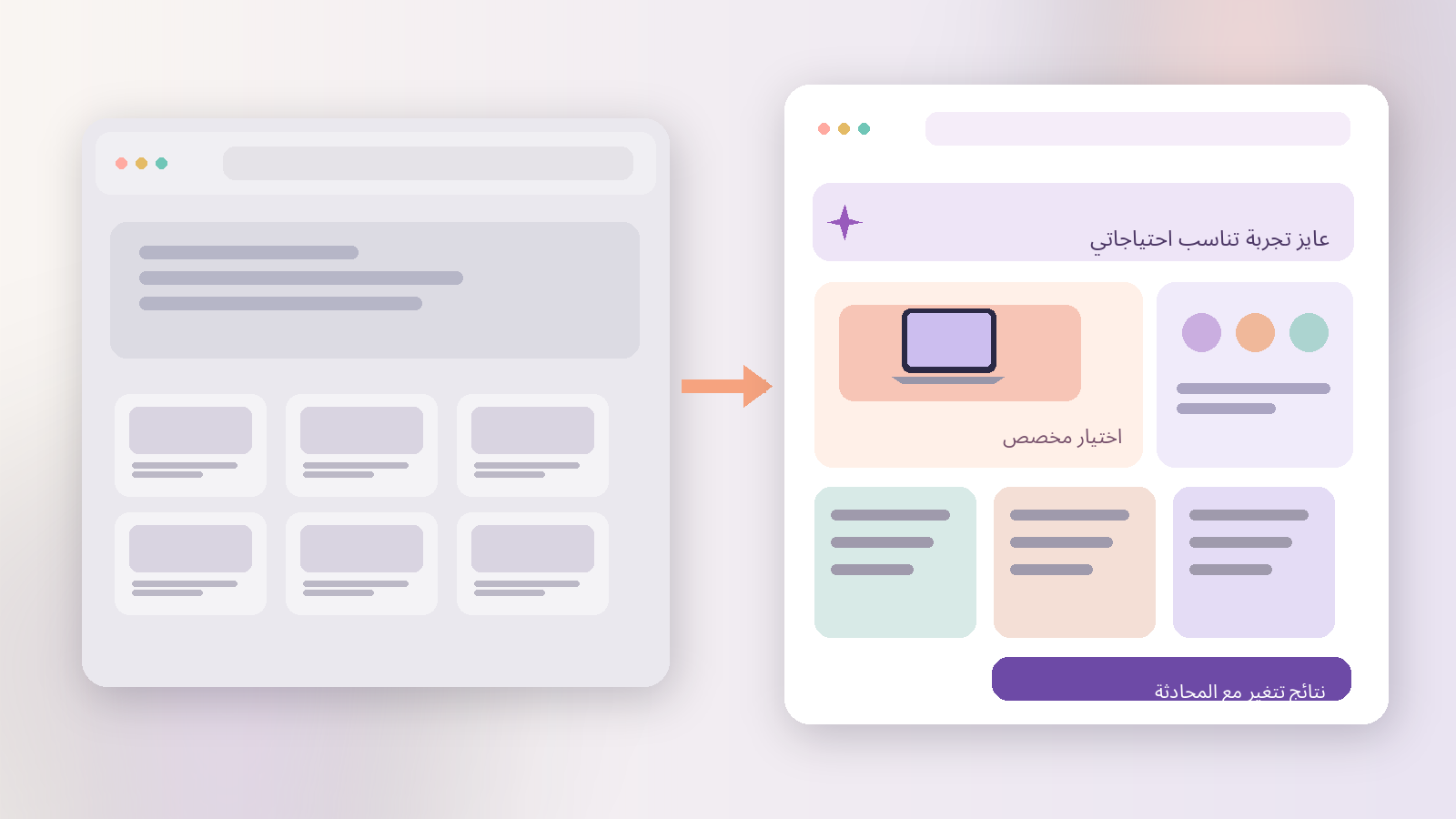
Traditional websites generally use predefined layouts, pages, and navigation structures.
While they can include personalized recommendations and sophisticated search systems, their main interfaces are usually designed in advance.
HP's new approach makes conversation an important part of how the website responds.
This concept is closely related to an emerging field known as Generative User Interfaces (Generative UI).
Generative UI refers to interfaces that can be created, assembled, or adapted dynamically with the help of artificial intelligence.
Rather than limiting interaction to a chatbot window, these systems can make the broader interface more responsive to user intent.
The distinction is important: an intelligent website is not necessarily a conventional website with an AI chatbot added to it.
How Could This Technology Transform Digital Experiences?
Adaptive interfaces have potential applications across several industries.
E-Commerce
Online stores could help customers compare products according to their preferences, budget, and practical needs rather than requiring them to browse through extensive catalogs.
Business Websites
Service-based companies could present relevant offerings, information, and recommendations based on a visitor's requirements.
Educational Platforms
Learning platforms could help students discover suitable courses or programs through more personalized interactions.
Service Portals
Complex platforms could guide visitors toward appropriate features, procedures, or information without requiring extensive navigation.
These are potential industry applications, not a claim that HP's current beta provides all of these capabilities.
Does This Mean Traditional Websites Are Becoming Obsolete?
Not yet.
HP Experience AI is currently being tested with a limited group of customers in the United States, with plans for broader international expansion.
The technology also introduces important development considerations.
AI-powered interfaces need accurate information, reliable integrations, predictable behavior, strong privacy protections, and acceptable operating costs.
They must also remain accessible, understandable, and useful to people who prefer conventional navigation.
For these reasons, traditional websites are unlikely to disappear overnight.
A more realistic future may involve combining familiar interfaces with intelligent features that improve specific parts of the customer journey.
How Can Businesses Prepare?
Companies do not necessarily need to replace their existing websites to benefit from advances in AI-driven user experiences.
They can begin by exploring practical improvements such as intelligent search, conversational product discovery, personalized recommendations, and better connections between existing business systems.
The most valuable approach is to identify a real customer problem before deciding which technology to implement.
AI should improve the experience, not make it unnecessarily complicated.
The Future of Web Development Is Becoming More Adaptive
HP's announcement highlights a significant direction in web development: moving from websites that users must navigate toward digital experiences that can better respond to their needs.
At ON DM, we believe the future of websites and applications lies in combining thoughtful design, custom development, and modern technologies to create meaningful digital experiences.
The goal is not simply to add artificial intelligence to a website. It is to build solutions that make digital interactions easier, more effective, and more valuable for businesses and their customers.